
Heel Pain & Achilles Tendon Treatment in London
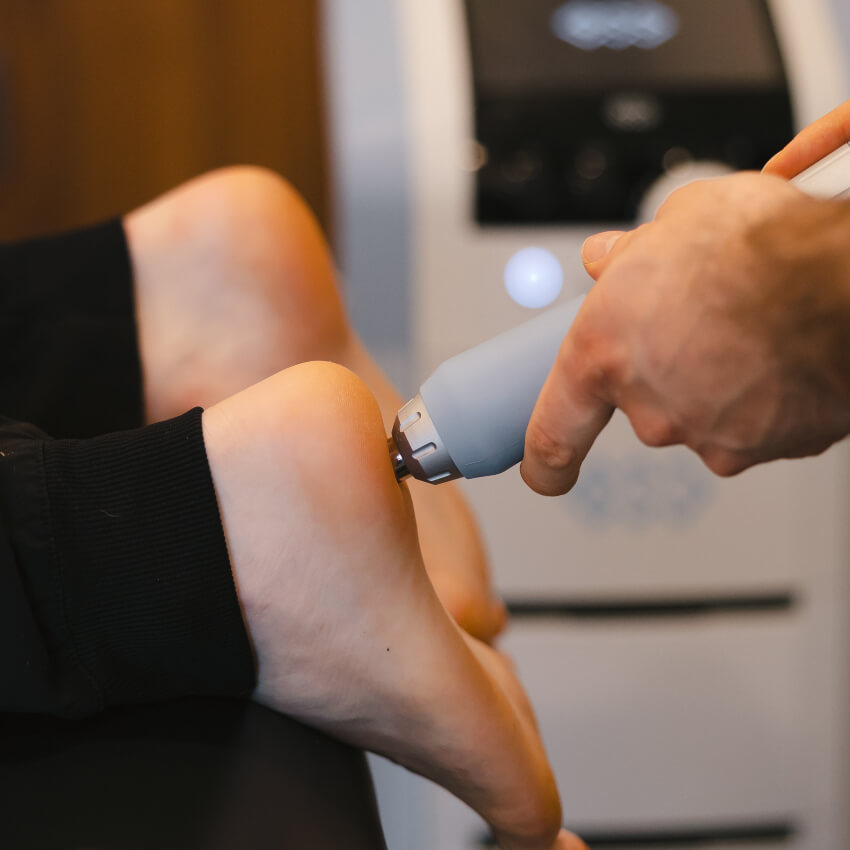 Pain in the heel or back of the ankle is common, but it isn’t always the same problem. Plantar fasciitis and Achilles tendon pain can feel similar in the early stages, yet they involve different tissues and often require different management strategies. Understanding which structure may be involved helps guide the most appropriate treatment plan.
Similar Symptoms, Different Conditions
Plantar fasciitis is a load-related condition affecting the plantar fascia, the band of tissue supporting the arch of the foot. It typically causes pain beneath the heel.
Achilles tendon pain is often called Achilles tendonitis, although longer-standing cases may also be described as Achilles tendinopathy. It affects the tendon connecting the calf muscles to the heel and usually causes pain at the back of the heel or above the ankle.
Although these conditions occur close together and may overlap through compensatory movement patterns, they involve different tissues and don’t always require the same approach.
Telling the Two Conditions Apart
| Feature | Plantar Fasciitis | Achilles Tendonitis/Tendinopathy |
|---|---|---|
| Pain location | Beneath the heel | Back of the heel or above the ankle |
| Morning symptoms | Sharp pain with first steps | Stiffness that eases with movement |
| Pain pattern | Often worse after rest | Often worse during or after activity |
| Tenderness | Underside of the heel | Along the Achilles tendon |
Both conditions usually develop gradually. Common contributing factors include reduced load tolerance, tight calves, weak foot and ankle muscles, repetitive loading from walking, running, or standing, and sudden increases in activity.
Plantar fasciitis commonly causes sharp heel pain with the first few steps after getting out of bed or after sitting. Achilles tendon pain often feels stiff first thing in the morning, becomes more noticeable during or after activity, and may cause tenderness or thickening along the tendon.
If symptoms persist for more than a week or two, worsen over time, or begin affecting how you walk or stay active, an assessment can help determine what may be contributing to them and discuss appropriate treatment options.
Since heel pain can arise from different structures, Reset Chiropractic & Rehab takes an assessment-first approach to care. Dr. Arjun Bali and Dr. Jess Pileggi work to determine which tissues may be contributing to your symptoms and whether conservative care is an appropriate option before recommending treatment.
Understanding What’s Causing Your Heel Pain
Progressive rehabilitation forms the foundation of care. Exercises are tailored to improve strength, load tolerance, and movement based on your assessment findings. Plantar fasciitis is commonly managed with foot and calf loading, while Achilles tendon pain typically benefits from more tendon-specific loading.
Recovery varies depending on the condition, symptom duration, severity, and individual factors. Many people notice improvement with individualized conservative care, although some conditions require a longer period of rehabilitation.
Frequently Asked Questions
Can both conditions happen at the same time?
Can I still walk with heel pain?
Find the Source of Your Heel Pain
Whether your pain is beneath the heel or at the back of the ankle, an assessment can help identify what’s behind your symptoms and guide the next steps in care.
