Physiotherapy in London
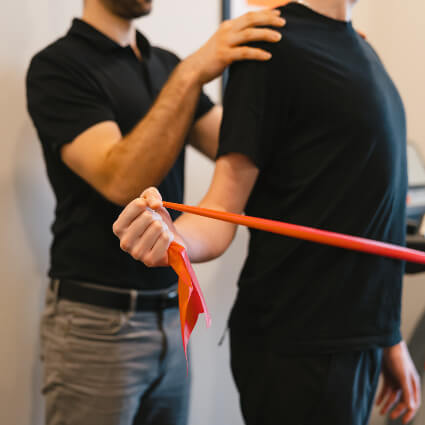
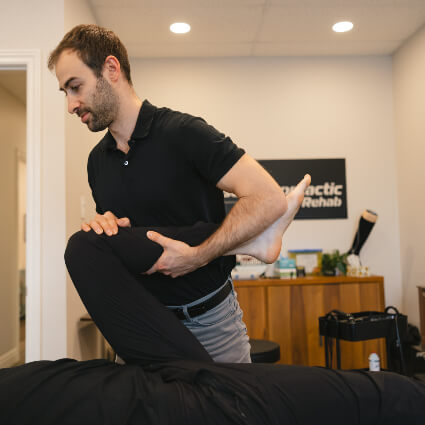
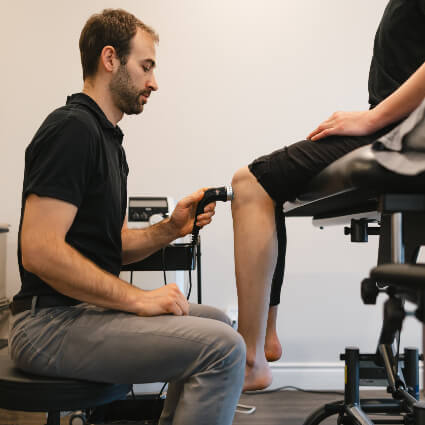
Physiotherapy is focused on improving how you move so you can get back to daily life with more comfort and confidence. The process at Reset Chiropractic & Rehab starts with thorough assessment and accurate diagnosis, because lasting change is much easier to achieve when the true drivers of pain or limitation are identified early. From there, your plan is built around your goals, your current ability, and the practical demands of your work, training, and routines.
Whether you are dealing with stubborn pain or mobility issues, physiotherapy offers a pathway toward improved strength, flexibility, and overall function. Care is designed to help you progress steadily, with clear steps you can follow in and out of the clinic.
Conditions Physiotherapy Commonly Helps With
At our practice, physiotherapy is used for a wide range of musculoskeletal injuries and ongoing conditions. Concerns commonly addressed include:
- Sprains and strains
- Osteoarthritis, including hip and knee osteoarthritis
- Degenerative disc disease and spinal stenosis
- Radiculopathy and sciatica-like symptoms
- Sports injuries and overuse concerns
- Workplace injuries and accident-related recovery
- Chronic back and neck pain
- Post-surgical recovery guidance and return to activity planning
Meet Your Physiotherapist, Mark Pistor
Care is provided by our experienced physiotherapist, Mark Pistor, who brings a strong clinical background in both injury rehabilitation and performance-focused care. Mark earned his Master’s in Physical Therapy from Western University in 2020 and has extensive experience treating a broad spectrum of musculoskeletal conditions.
His clinical focus includes hip and knee osteoarthritis, spinal stenosis, degenerative disc disease, and sciatica, with a strong interest in working with athletes and people who want to build better strength, fitness, and physical performance.
Mark’s approach emphasizes patient education and therapeutic exercise, complemented by hands-on manual therapy and selected modalities such as intramuscular stimulation (dry needling), shockwave therapy, and other tools when appropriate.
What Happens During Your First Physiotherapy Visit
Your initial assessment begins with a conversation about what brought you in, what your goals are, and what you need to be able to do in daily life. Your physiotherapist will ask questions to better understand how the issue started, what aggravates it, what eases it, and what limitations you are noticing at work, at home, or during sport.
Next comes objective and functional testing. This may include posture observation, movement evaluation, assessment of the involved area, neurological screening when appropriate, and hands-on examination of relevant joints and muscles. You will then receive a clear explanation of the findings in plain language, including why the issue may be happening and what typically helps.

Why Exercise and Education Are Central to Results
Physiotherapy works best when you understand what is going on and have a plan you can apply outside the clinic. Research and clinical experience show that following a well-designed exercise rehabilitation program is one of the most effective ways to recover. Exercise does more than build strength and flexibility. It increases blood flow to injured tissues, supports healing processes, and retrains the body to move and coordinate efficiently so unnecessary stress is not repeatedly placed on sensitive areas.
Equally important is doing the right exercises the right way. Your physiotherapist will coach you on technique, dosing, and pacing so you know what to do, how much to do, and how to tell the difference between expected effort and a signal to modify.
Recovery Timelines and How Progress Is Measured
Many acute injuries improve within about 6 to 8 weeks, but recovery timelines vary depending on the injury, the individual, and how consistently the plan is followed. Your physiotherapist will discuss expected timelines during your initial assessment and adjust recommendations based on how you respond over time.
Progress is not measured by pain levels alone. Your plan is guided by improvements in movement, strength, and day-to-day function. As you improve, your exercises and goals evolve to match what you need next, whether that is getting through a workday more comfortably, returning to sport, or simply moving with less hesitation.
Frequently Asked Questions
What conditions does physiotherapy at Reset Chiropractic & Rehab treat?
Should I wait for imaging before starting physiotherapy?
What happens during a first physiotherapy assessment?
How long does recovery take for acute injuries?
How many physiotherapy sessions will I need?
If you’re ready to start feeling stronger and moving better, book your physiotherapy appointment in London today.
Let’s Build a Plan Around How You Move
When pain affects how you move, it can limit work, exercise, and even basic daily routines. A clear assessment and a structured rehab plan can help you regain control and build capacity over time. Book a physiotherapy assessment at Reset Chiropractic & Rehab to begin a personalized plan focused on function and lasting improvement.
BOOK AN APPOINTMENT
